Free delivery
Free delivery
Official distributor LEDSTAR · SKYLIGHT · ZOO MED · Horticultural LED lighting manufacturer since 2009
Spectrum and power advice on +33 3 83 47 83 98 · Monday to Friday
 Terrarium lighting · Nancy
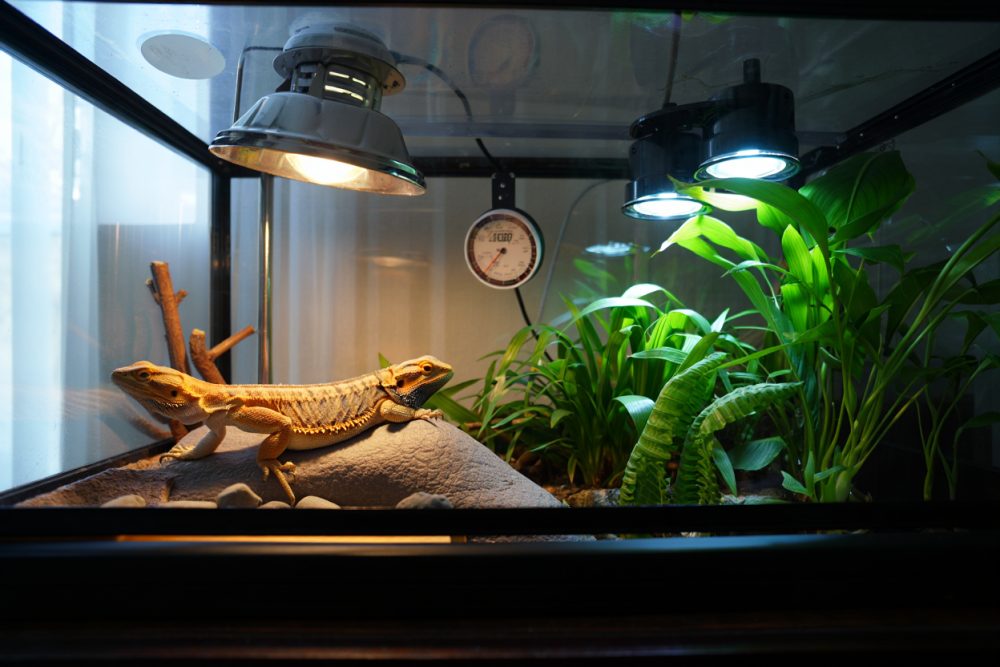
Terrarium lighting: understanding LEDs, UVB and heat
Choose terrarium lighting by the function you need. Lighting for plants, a UVB source and a heat source are not interchangeable.
Visible light for a planted terrarium
For plants, compare coverage, mounting height and optics among LED lights for terrariums. The guide to a planted tropical terrarium can help you size this part of the setup. A light described as having a “full spectrum” does not prove that it emits the UVB an animal needs.
UVB: choose for the species and setup
Establish the species’ needs with a reliable specialist source, then check the instructions for the lamp and reflector. Distance, mesh and the animal’s accessible basking area all affect exposure. The UVB percentage printed on a tube is not enough to define a setup. Read the UVB guide and browse UVB equipment.
Heat: measure actual temperatures
Size the heater for the species and setup, using temperatures measured in the enclosure. A “1 watt per litre” rule cannot guarantee a basking temperature. Use instruments and controls compatible with the equipment; do not assume that different control systems are interchangeable.
Avoid universal promises
No single device can guarantee the health of every reptile. A night-time setting must respect the animal’s needs; do not assume that a coloured light is always invisible or has no effect. Have husbandry parameters checked by a specialist source, and contact a veterinarian if an animal shows symptoms.
Sources and instructions
Editorial review: 3 October 2026 · TerraLED. Set up your equipment according to its instructions and the needs of the species.
Related posts
 Choosing the right LED lighting for your tropical terrarium
This article talks about the different types of LED lighting for terrariums. To grow plants in a terrarium, it is...
Lire la suite
 UVB for reptiles: choosing a source and checking the setup
Choose a UVB source for the species and terrarium setup. Distance, reflector, mesh and retreat areas all affect...
Lire la suite
 Guide to getting started in terrariums: choice of species and essential equipment
This article offers advice for getting started in terrariums by choosing a species that is easy to raise and finding...
Lire la suite
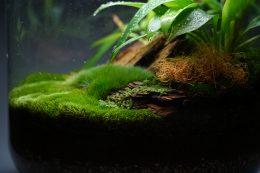 Substrate for a tropical terrarium: check the intended use
Choose a terrarium substrate for the plants, any animals and water management. A mix intended for a pot or aquarium...
Lire la suite
Leave a comment
Log in to post comments